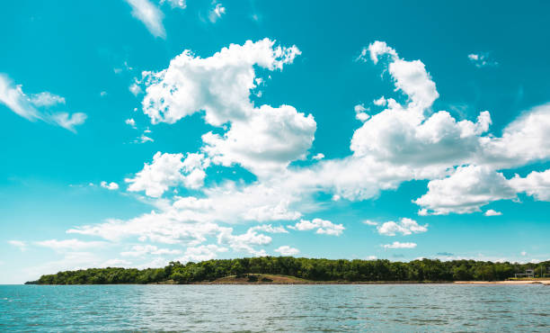
Introduction to Lake Texoma Should Be Capitalized
Have you ever typed “lake texoma” and then wondered if it should be capitalized? You’re not alone. This is a common grammatical question that can stump even the most experienced writers. Lake Texoma is not just any lake; it is a proper noun, full of history and meaning. Whether you’re writing an article about fishing adventures or a travel blog, it’s important to know how to correctly capitalize this geographical treasure.
Let’s explore the world of capitalization rules for Lake Texoma, so your writing is clear and professional. Get ready to learn the secrets of proper nouns and take your grammar skills to the next level!
The Role of Capitalization in Writing
Capitalization is a very important aspect of writing. It helps in creating meaning and clarity. Proper capitalization can completely alter the meaning of a sentence.
For example, “I love my dog” versus “I Love My Dog.” The first sentence is very clear, but the second sentence can mean something much more important, such as a title or a special mention.
It also helps in organizing your writing. It makes it easier for the reader to read your text when proper nouns are properly capitalized and distinguished from common nouns.
Finally, proper capitalization helps in appearing professional. Any errors in capitalization can create doubts about your professionalism and can also distract the reader from your message.
A properly capitalized piece of writing shows that you pay attention to details and that you respect language rules. This helps build trust with your readers who appreciate well-written content!
A Guide to Understanding Proper Nouns and Common Nouns
Nouns are what language is constructed from, dividing all aspects of everything we talk about into groups. Nouns can be divided into two categories: proper and common nouns.
Even common nouns represent public items and concepts. Common nouns might be words like “lake,” “city,” “river,” and so on. Common nouns point to one example of that item, rather than an actual one, and they do not capitalize unless they’re starting a sentence.
Proper nouns, on the other hand, refer to specific individuals, places, or organizations. Take words such as “Lake Texoma,” “Paris,” or “Apple” as examples. They are always capitalized because they refer to singular entities.
Understanding this distinction is important in order to communicate well. It is critical in ensuring that you communicate precise meanings. If you are referring to Lake Texoma, do capitalize it, as it is not a random lake but one with its own character.
When Lake Texoma Should Be Capitalized
When you research Lake Texoma, it is important to know when to capitalize it. Lake Texoma is not just a body of water, it is also not just a body of water on a map. Therefore, it is important that “Lake Texoma” is capitalized.
Every time this lake is mentioned, each word must be capitalized. For instance, “I enjoy my weekends at Lake Texoma” indicates that it is a specific place.
It is important to have consistent capitalization, even in casual conversations or informal writings.
And if you’re listing other lakes for comparison, such as “Lake Erie” or “Lake Tahoe,” this demonstrates why capitalization matters for proper nouns such as Lake Texoma.
Exceptions to the Rule
Even though Lake Texoma uses a fairly simple capitalization rule, there are one or two things to watch for.
In some contexts, you’ll find differences. If you are referring generically to “a lake” or to compare Texoma with other lakes, you might not need to capitalize
For example, “The fishing at lake Texoma was fantastic” wouldn’t be right if one is naming the site specifically. In a broader sentence mentioning numerous bodies of water without naming them, lowercase could fit.
Also, when you’re writing titles or headlines and your style calls for it-say, in poetry or creative pieces-the capitalization can bend a bit with artistic license.
Understanding nuances like these can give your writing an edge without having to veer too far into grammatical deviations. Presenting language adaptation without the violation of proper nouns will keep things professional and clear.
You can also read about: Lisa Marie Presley Asset Inheritance
Other Grammar Rules of Capitalization
It’s not only places, such as Lake Texoma. Mastering the rules will help raise your prose to new heights.
First, beginning of sentences. Make the first word uppercase to indicate that it’s a new thought.
Proper nouns count for something, too. Names of persons, organizations, and geographical features should be capitalized.
Titles have their own rules: When a title comes before the name of the person, use uppercase-e.g., “President Smith.”
Days and months get capitalized, too. You wouldn’t write “january” or “monday” ; they need the initial cap.
Important documents, such as “Constitution” or “Bill of Rights”, are also titled in capital letters because they are important in context.
Conclusion: Lake Texoma Should Be Capitalized
Capitalization of “Lake Texoma” is not only about style; it is about how proper nouns bear weight in speech and writing. In keeping with this rule, you are recognizing that Lake Texoma bears an identity unique to itself.
Each time you write it correctly, you acknowledge its status as a distinct geographic feature. This attention to detail enhances clarity and professionalism in your writing.
Be it an article, social post, or even an academic paper, capitalization done in a consistent manner reinforces credibility. Viewers appreciate accuracy and will be more likely to take information presented well seriously.
Remember, grammatical convention adds to communication. The next time you bring up this beautiful lake, do not forget that “Lake Texoma” should be capitalized appropriately-it’s more important than one might imagine.
FAQs
1.)Should I uppercase “Lake” in case of “Lake Texoma”?
Yes, because both “Lake” and “Texoma” are proper nouns for naming a place.
2.) Is the word “lake” a common noun?
Yes, “lake” is a common noun. Paired with Texoma as “Lake Texoma,” it is part of a proper noun and should be capitalized.
3.) Are there any exceptions to the capitalization of Lake Texoma?
There are no exceptions when referring to the lake itself. Always capitalize both words in formal writing or publications.
4.) What are some other geographical names that follow the same rules?
Many geographic names, such as rivers (River Thames), and mountains (Mount Everest) are capitalized in the same manner as Lake Texoma.
5.) Why is correct punctuation important in writing?
Proper punctuation forms the basis for clarity and professionalism, respecting grammatical norms that make your text easier to read and understand.