
Introduction to Hyperovulation
Do you know why some ladies possess an incredible capability of ovulating multiple eggs during their menstrual cycle? You’re right, this is where the exciting journey of hyperovulation starts. This amazing biological mechanism can affect fertility in unexpected ways. The main aim of this paper is to learn the genetic peculiarities of hyperovulation, the role of age here, and different fertility treatments. While reading this piece, you will be provided with comprehensive information on the mechanisms of hyperovulation and will have a chance to learn a lot of interesting facts. Let’s begin our research.
Genetics and Hyperovulation
Genetics is very important in hyperovulation. Women have the ability to inherit hyperovulation tendencies from their families.Researches have found out that when a woman has a relative suffering from hyperovulation, the probability of having hyperovulation becomes extremely high. This genetic problem is usually discussed in context of fertility.
There are certain genes which control the ovaries and hormones. Differences in these genes may affect the number of follicles formed per month.
Some people from different ethnicities suffer more from hyperovulation because of the genetics. Women with African origin have higher chances to suffer from hyperovulation compared to those with Asian or European heritage.
Knowing about the history of your genetics can help you find out more about your reproduction abilities and plan your future family.
The Role of Age in Hyperovulation
Age becomes an essential factor in cases of hyperovulation. With aging, a woman’s ovarian reserve gets depleted. Not only does the number of eggs get influenced by this process, but their quality suffers too.
The younger a woman is, the higher the probability that she experiences hyperovulation naturally. Their bodies remain sensitive to hormonal changes that may stimulate hyperovulation.
Older women have difficulties in natural hyperovulation due to hormone changes and their effects on fertility.
Yet, modern medical treatments for fertility provide opportunities to undergo hyperovulation even for women over 35 years old. The medications such as Clomid or injections of gonadotropins help achieve hyperovulation.
Fertility Treatments for Hyperovulation
The available methods of treatment of hyperovulation may differ greatly in accordance with an individual approach to each case. For example, medications such as Clomiphene Citrate may be prescribed at first. They work as a stimulus to ovaries’ functions, causing the development of many eggs.
Gonadotropins are another way to deal with this issue. These hormones work as an external stimulus to ovaries’ function causing them to develop more follicles. It is a rather strong method and thus it has to be closely monitored.
Sometimes, assisted reproductive technologies may help. In vitro fertilization procedure allows the doctor to obtain multiple eggs and fertilize them outside the body.
In addition, patients can use their lifestyle as a means of increasing fertility rate without the use of any medication.It is necessary to understand all these possibilities in order to have an opportunity to choose the right method of treatment.
What Is Hyperovulation?
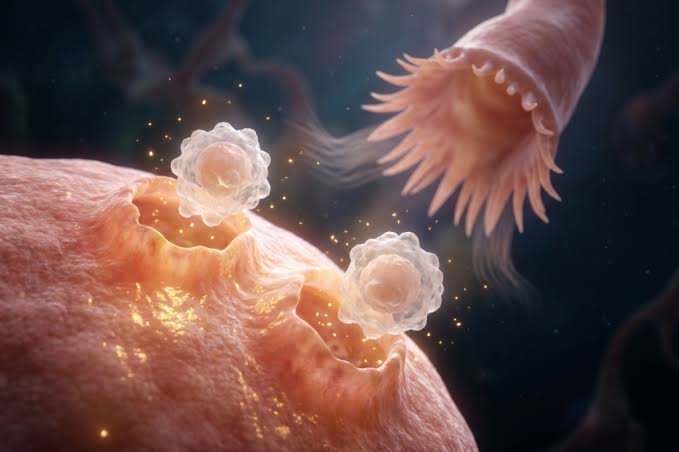
Hyperovulation means the ovaries let out more than one fully developed egg in a single ovulation event. Sometimes those eggs come from the same ovary. Other times, they come from both ovaries.
In most cases, ovulation releases just one mature egg. When hyperovulation happens, more than one egg may be ready for fertilization. If two different eggs are fertilized by two separate sperm cells, fraternal twins can result. These twins are not the same genetically.
This term is not the same as releasing eggs across several days. Ovulation usually fits within a fairly short fertile period. Still, the timing can differ from person to person and from one menstrual cycle to the next.
Hyperovulation and Fraternal Twins
People often link hyperovulation with the chance of fraternal twins.
Fraternal twins happen when two different eggs are released and then each egg gets fertilized by a different sperm cell. Since the twins start from separate eggs and sperm, they are just like typical brothers or sisters. They are not the same as identical twins.
Does Hyperovulation Increase Fertility?
Hyperovulation may mean that two or more eggs can be released in one cycle. Still, it does not guarantee that a person is more fertile overall.
Getting pregnant depends on many things. This includes how well the eggs can develop, the health of sperm, and whether intercourse or insemination happens at the right time. It also involves general reproductive health, how well the fallopian tubes work, and whether an embryo can attach to the uterine lining.
If you are trying to conceive, tracking the fertile window may help more than just checking for hyperovulation. Knowing when ovulation happens can guide timing in a more direct way.
What Causes Hyperovulation?
Hyperovulation is when more than one egg comes out during the same cycle.
Many things can affect whether this happens. Some people may be more likely due to inherited traits. Age can also matter. Hormone shifts in the body may change how the ovaries work.
Here are some common links that have been discussed:
Family history. If fraternal twins are seen in the mother’s relatives, the pattern may appear again.
Age. As reproductive hormones change over time, follicle growth can be affected in the later reproductive years.
Fertility treatment. Certain medicines that aim to stimulate the ovaries may lead to more than one egg developing and being released.
Prior pregnancies. Some studies suggest that a past pregnancy may be tied to a higher chance of fraternal twins.
Personal hormone patterns. Natural variation in hormone levels can influence how many follicles mature in a cycle.
Even so, these links cannot promise hyperovulation will occur.
Advantages and Disadvantages of Hyperovulation
Hyperovulation could turn out to be both an advantage and a disadvantage at the same time. The first one is that it considerably increases the possibility of getting pregnant. Couples who experience problems with infertility may finally have success in their attempts to conceive with the help of hyperovulation.
You can also read about: Savani quintanilla
On the other hand, there are possible disadvantages . One of them is multiple pregnancies that may be dangerous both for a woman and for children.The process of hyperovulation makes healthcare providers deal with new difficulties.
In addition to the above mentioned issues may cause some emotional stress because of the worries about having multiple children and all that comes with it.
Alternative Options for Boosting Fertility
Looking for other means to improve fertility can be a rather intriguing experience. There are several natural ways that prove to be quite helpful.One can try taking herbal supplements, which may positively affect hormonal levels. Maca root and vitex are often taken for this purpose.
Healthy lifestyle is also important. Proper physical activities together with healthy eating will improve health and increase the chances to conceive.Practicing yoga and meditating reduces stress level. This is really significant, as stress affects reproductive abilities in a negative way.
Some couples decide to try acupuncture, which has proven to be efficient in regulating menstrual cycles and stimulating ovulationConsult a nutritionist specialized in fertility issues. They can provide dietary recommendations according to individual cases and enrich your diet with necessary nutrients.
Final conclusion
Hyperovulation is when more than one egg is released in a single menstrual cycle. This can raise the odds of fraternal twins. It does not mean you will get pregnant more easily, and it does not ensure pregnancy. If you are watching your ovulation or hoping to conceive, focus on your cycle and your fertile window.
Looking at your overall reproductive health can also help. Trying to spot hyperovulation by symptoms alone may not be the most useful approach.Hyperovulation is when more than one egg is released in a single menstrual cycle. This can raise the odds of fraternal twins.
It does not mean you will get pregnant more easily, and it does not ensure pregnancy. If you are watching your ovulation or hoping to conceive, focus on your cycle and your fertile window. Looking at your overall reproductive health can also help. Trying to spot hyperovulation by symptoms alone may not be the most useful approach.
Frequently Asked Questions
Can hyperovulation happen on its own?
Yes. Some women release more than one egg in a single menstrual cycle. Even then, it is often hard to tell this is happening without proper tracking.
Does hyperovulation always lead to twins?
No. For twins, more than one egg has to be fertilized. Then both embryos must implant and grow.
Can ovulation tests show hyperovulation?
Ovulation predictor kits can spot hormone shifts linked to ovulation, especially the LH rise. They usually do not confirm how many eggs were released.
What is Hyperovulation?
The term relates to the release of several eggs by women’s ovaries during one menstrual cycle, which can increase the risk of giving birth to twins or even multiples.
Is Hyperovulation Hereditary?
Certainly, heredity plays an important part in because women whose families have a history of fraternal twins are likely to face it themselves.
Does Age Affect Hyperovulation?
Age definitely influences as well as the chances to conceive twins because women are more likely to experience regular ovulatory cycles when they are young.
Can Fertility Treatments Lead to Hyperovulation?
Some types of fertility treatments such as Clomid or gonadotropins may induce the ovaries to produce and release more than one egg.
What are the Advantages and Disadvantages of Having Multiple Eggs Released?
The main advantage of having several eggs released is that it increases the probability of conception; the main disadvantage is that the risks of higher-order multiples become much higher and pose additional health risks for both mother and child.
What are Alternative Ways of Improving the Chances of Conceiving Twins or Multiples?
Definitely yes! One can try lifestyle modification such as changes in diet, physical activity and stress-reducing activities as well as acupuncture.