Introduction to Camila Cabello Ethnicity
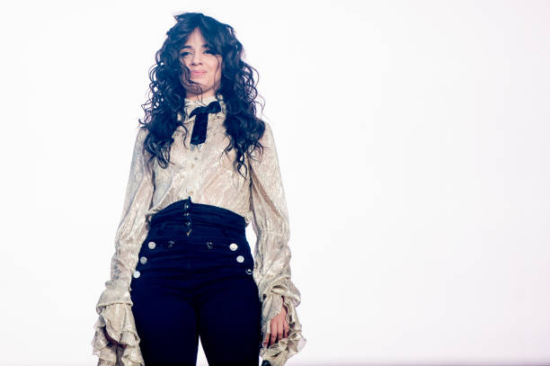
Camila Cabello Ethnicity has burst onto the music scene with a soulful voice and electrifying performances. But aside from the limelight, her ethnicity weaves its way through her music, defining her as an artist. Camila Cabello was born in Havana, Cuba, but grew up in Miami, Florida. She is a Cuban-Mexican American artist. Her ethnicity is not only reflected in her music but also in the way she connects with her fans across the globe. Let’s take a closer look at Camila Cabello’s ethnicity and how her multicultural background colors her music and artistic identity.
Camila Cabello’s Ethnic Background
Her ethnicity is a multicultural blend that defines her as an artist. Camila Cabello’s father is Cuban, and her mother is Mexican. She brings a distinct Latin flair to the music scene. Her ethnicity not only defines her music but also her artistic expression and personal style.
Growing up in Miami, Camila Cabello was exposed to the cultural heritage of both her parents’ families. The house was always filled with the sounds of salsa and mariachi music, instilling in her a love for music from a young age.
This rich heritage makes it easier for her to relate to fans from diverse backgrounds. She often talks about how she has learned to celebrate this dichotomy, and this feeling is reflected in the storytelling of her lyrics, which are infused with both Cuban and Mexican experiences.
Cuban Heritage and Its Influence on Music
Camila Cabello’s Cuban heritage is an integral part of her musical identity. Having grown up surrounded by the vibrant sounds of traditional Cuban music, these influences have indelibly stamped themselves on her musical identity.
The salsa and reggaeton beats feature prominently in most of her songs, giving them a genuine feel that pays tribute to her heritage while staying on top of current pop trends. Her skill is in seamlessly incorporating these genres to create a unique sound that resonates with her fans.
Her songwriting is reflective of this storytelling, intertwining personal experiences with larger cultural ones. This connection with her past makes it easier for her to connect with fans from similar backgrounds or those who are simply drawn to diverse influences.
With every song, there is a tribute to Cuba—a tribute to where her musical journey began.
Growing Up in a Mexican-American Family
Growing up in a Mexican-American family has influenced who Camila Cabello is as a person and as an artist. Her family combined the best of Mexican culture with the vibrancy of American culture.
Meals filled with spices and aromas were always there, reminding her of the Mexican-American culture and the celebrations that came with it. Music was also at the heart of her family, with traditional Mexican music and the latest American songs playing simultaneously. This helped shape the music she creates today.
Language was also an important part of her upbringing. Being bilingual has allowed her to relate to two cultures in a way that has enhanced her songwriting and helped her reach a wider audience from different cultures.
The stories she heard at home were about the struggles and successes of immigrants. These stories are a part of her music, giving it an authenticity that fans can relate to.
This has given her a sense of duality, of living between two worlds and embracing both fully, which has become an integral part of her artist identity.
Embracing Her Multicultural Heritage
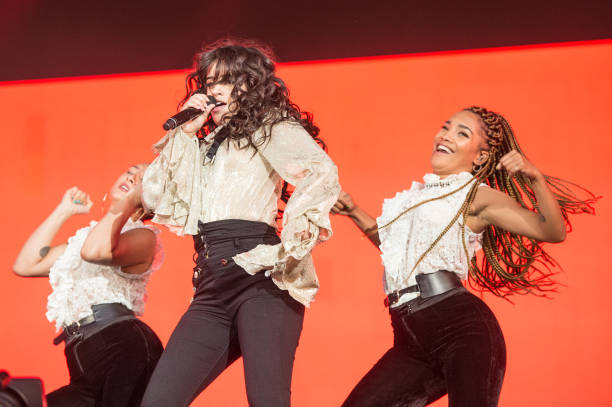
Camila Cabello celebrates her multicultural heritage. With Cuban and Mexican roots, she navigates her complex heritage effortlessly. This diversity not only defines her but also her music.
Her songs are a mix of cultures, with Latin beats and pop. This unique sound attracts people from all walks of life.
It’s not only about genre fusion; it’s also about representation. She has been vocal about the need to celebrate one’s heritage in a world that encourages homogenization. By doing so, she inspires others to celebrate their stories too.
You can also read about: Samantha Lorraine Ethnicity
In her interviews and public appearances, Cabello has consistently cited her heritage as a source of inspiration. Her authenticity is evident as she reaches out to her fans on a level that goes beyond mere entertainment.
Controversies related to Camila Cabello’ Ethnicity
Camila Cabello’s ethnicity has been a source of intense controversy. Some of her fans have criticized her for cultural appropriation in her songs and fashion statements. They feel that her Cuban background sometimes takes a backseat to more mainstream elements, giving rise to debates about authenticity.
At the same time, some of her earlier social media posts came to light, and she received flak for her lack of sensitivity towards different races. This gave rise to debates about how artists deal with their identities in the entertainment industry.
Although Camila has been quite vocal about these controversies, many people still feel torn about her portrayal as a Cuban-Mexican American artist. These debates continue to develop with every new song and public appearance that she makes.
The complexities of dealing with multiple cultures can sometimes result in misunderstandings and misinterpretations among fans. As Camila continues to develop as an artist, these complexities continue to be a part of the story that shapes her career path.
Conclusion: Camila Cabello Ethnicity
Camila Cabello’s ethnicity is an important part of her identity and artistic expression. Her Cuban and Mexican upbringing gives her music a rich cultural twist, making it a global phenomenon.
Growing up in a bilingual household has given her a unique outlook on life and art. This colorful mix of cultures inspires her songwriting, beats, and overall style.
By embracing both sides of her culture, Camila is able to connect with fans from all walks of life. She uses her platform to celebrate this multicultural upbringing while also addressing various social issues.
However, this journey has not been without its controversies. There have been instances of cultural appropriation, but these incidents underscore the need for artists to understand their roots when they are in the public eye.
Every song that she sings is a reflection of the multiple experiences that she has had, which are all rooted in her family history and her own personal development, making Camila Cabello not only an artist but also a representation of cultural melting pots in today’s music industry.
FAQs
What is Camila Cabello’s nationality?
- Camila Cabello is a Cuban-Mexican American singer. Born in Havana, Cuba, she later relocated to the United States, where she currently resides in Miami, Florida. This blend of cultures makes up who she is and what her music reflects.
Who are Camila Cabello’s parents?
- Her mother, Sinuhe Estrabao, is of Mexican origin, while her father, Alejandro Cabello, is from Cuba. Her parents’ diverse origins made way for her diverse upbringing and musical expression.
When is Camila Cabello’s birthday?
- Her birthday is on March 3, 1997. These early experiences continue to influence her musical expression.
Can you give a brief biography of Camila Cabello?
- Camila Cabello was born in Havana and later moved to Miami with her family at the age of six. She initially gained fame as a member of the musical group Fifth Harmony before embarking on a solo career. With chart-topping hits such as “Havana” and “Señorita,” she has made a worldwide impression.
Does Camila Cabello have a passport?
- As a world-renowned singer who frequently travels around the world for concerts and collaborations, she definitely has a valid passport to facilitate her professional engagements.