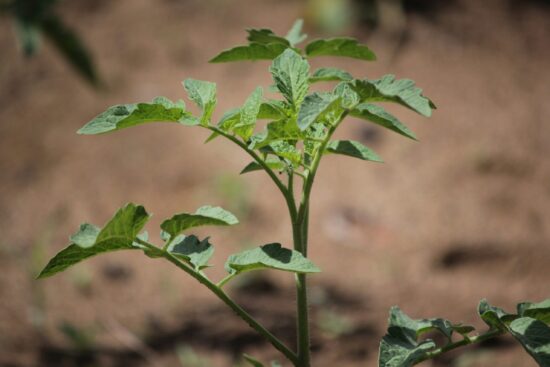
Introduction to Fenugreek Plant
If you’re on the lookout for a versatile plant that packs a punch in both the culinary and health realms, look no further than fenugreek. Known scientifically as Trigonella foenum-graecum, this enchanting herb has been celebrated for centuries across various cultures. With its distinctive aroma and slightly bitter flavor, it adds depth to dishes while offering an array of impressive health benefits.
From boosting your immune system to regulating blood sugar levels, fenugreek proves itself to be more than just a kitchen staple. Whether you’re interested in exploring its medicinal properties or curious about how to cultivate this incredible plant at home, you’re in the right place. Dive into our complete beginner’s guide on growing and utilizing the fenugreek plant!
Health Benefits of Fenugreek Plant
Fenugreek is more than just a culinary herb; it’s a powerhouse of health benefits. One of its standout features is its ability to boost the immune system. Packed with antioxidants, fenugreek helps combat oxidative stress and enhances your body’s defense against infections.
Another significant benefit lies in regulating blood sugar levels. The soluble fiber found in fenugreek seeds can slow down sugar absorption, making it beneficial for those managing diabetes.
When it comes to digestion, fenugreek works wonders. Its high fiber content aids in easing digestive issues and promotes regular bowel movements.
Heart health also sees improvement from this remarkable plant. Fenugreek may lower cholesterol levels and help maintain healthy blood pressure, contributing to overall cardiovascular well-being.
Incorporating fenugreek into your routine can pave the way for a healthier lifestyle on multiple fronts. Each small step can lead to substantial improvements in wellness over time.
A. Boosts Immune System
Fenugreek, or fenegriek, is a powerhouse when it comes to boosting your immune system. This humble plant packs a punch with its rich array of antioxidants and vitamins.
The seeds are particularly high in vitamin C. This vital nutrient plays an essential role in enhancing the body’s defense mechanisms against infections.
Additionally, fenugreek contains compounds like saponins and flavonoids. These natural substances help combat inflammation and oxidative stress, further strengthening immunity.
Regular consumption of fenugreek can lead to increased white blood cell production. White blood cells are crucial for fighting off pathogens effectively.
Incorporating this herb into your daily diet may provide that extra layer of protection during cold and flu seasons. Whether through teas or culinary dishes, fenugreek offers an easy way to fortify your health naturally.
B. Regulates Blood Sugar Levels
Fenugreek has garnered attention for its potential to regulate blood sugar levels, making it a valuable ally for those managing diabetes or prediabetes. The seeds are rich in soluble fiber, which can slow down the absorption of carbohydrates in the digestive tract. This effect helps stabilize blood sugar spikes after meals.
Research suggests that fenugreek may improve insulin sensitivity. By enhancing how your body responds to insulin, it supports better glucose metabolism. Regular incorporation of this herb into your diet might lead to more balanced energy levels throughout the day.
Additionally, some studies indicate that fenugreek can lower fasting blood sugar levels and reduce hemoglobin A1c—a marker used to gauge long-term glucose control. For anyone looking to maintain healthy blood sugar levels naturally, adding fenugreek could be a beneficial strategy worth exploring.
C. Improves Digestion
Fenugreek has long been celebrated for its ability to enhance digestive health. The seeds contain soluble fiber, which aids in smooth bowel movements and prevents constipation.
This natural herb is also known to soothe gastrointestinal inflammation. It helps alleviate symptoms of indigestion and bloating, promoting overall comfort after meals.
Additionally, fenugreek may assist in balancing stomach acidity. This can be particularly beneficial for those who struggle with acid reflux or heartburn.
Incorporating fenugreek into your diet not only supports digestion but also encourages a healthier gut microbiome. The presence of beneficial compounds nurtures the growth of good bacteria while inhibiting harmful strains.
Whether consumed as seeds or brewed into tea, fenugreek offers a gentle yet effective approach to maintaining digestive wellness.
D. Promotes Heart Health
Fenugreek is not just a flavorful herb; it offers significant benefits for heart health. Rich in soluble fiber, it aids in lowering cholesterol levels. This can lead to a reduced risk of heart disease.
The plant contains antioxidants that combat oxidative stress. By neutralizing free radicals, fenugreek helps protect cardiovascular tissues from damage.
Moreover, studies suggest that regular consumption may help reduce inflammation within the body. Inflammation is often linked to various heart conditions and diseases.
Another aspect worth noting is its ability to promote healthy blood circulation. Improved circulation ensures that vital nutrients reach your heart efficiently.
Incorporating fenugreek into your diet might just be one tasty way to support a healthy heart and overall well-being. Whether as seeds or fresh leaves, this versatile plant has much more than culinary applications; it’s an ally for your cardiovascular system too!

Culinary Uses of Fenugreek Plant
Fenugreek, with its unique flavor profile, is a cherished ingredient in many cuisines. Its leaves are often used fresh or dried to enhance dishes like curries and stir-fries. The distinct aroma adds depth to soups and stews.
The seeds are equally versatile. They can be ground into a spice that complements savory dishes or sprinkled whole for an added crunch in pickles and salads. Roasting the seeds brings out their nutty notes, making them perfect for seasoning.
In Mediterranean cooking, fenugreek infuses breads and pastries with a subtle sweetness. Indian cuisine frequently features it in masalas, balancing flavors beautifully.
Moreover, fenugreek has found its place in health-conscious recipes as well. It’s common to see it incorporated into smoothies or herbal teas for those looking to harness its nutritional benefits while enjoying delicious meals.
Medicinal Uses of Fenugreek Plant
Fenugreek, with its rich history in traditional medicine, offers a plethora of health benefits. Its seeds are particularly valued for their therapeutic properties.
One of the most notable uses is its ability to alleviate digestive disorders. Fenugreek can soothe stomach issues and promote healthy digestion.
Additionally, it’s known for its anti-inflammatory properties. This makes it beneficial for conditions like arthritis or muscle pain.
For women, fenugreek has been linked to enhancing lactation and managing menstrual discomfort. It’s often recommended as a natural remedy during postpartum recovery.
Moreover, some studies suggest that fenugreek may have potential in lowering cholesterol levels and improving heart health due to its high fiber content.
You can also read about: Dental Solutions Algodones
With such diverse medicinal applications, integrating fenugreek into one’s diet could be a simple yet effective way to enhance overall well-being.
Cultivation and Growing Tips for Fenugreek Plant
Growing fenugreek is a rewarding endeavor that’s suitable for both beginners and seasoned gardeners. This herb thrives in well-drained soil with plenty of sunlight. Choose a spot that gets at least six hours of direct light daily.
Start by planting seeds directly into the ground or pots, spaced about 6 inches apart. They germinate quickly, usually within a week. Water them consistently but avoid overwatering; fenugreek prefers slightly dry conditions between waterings.
Monitor your plants regularly for pests like aphids, which can be managed naturally with insecticidal soap if needed. Harvesting can begin when the leaves are young and tender—perfect for culinary uses—or wait until the seeds mature for medicinal purposes.
Fertilizing isn’t typically necessary as fenugreek grows well in nutrient-poor soils, but adding some compost can boost growth during the growing season.
Potential Side Effects and Precautions
While fenugreek is generally safe for most people, some may experience side effects. Common reactions include gastrointestinal issues like bloating, gas, or diarrhea. These symptoms often occur when consumed in large quantities.
Pregnant women should approach fenugreek with caution. It can stimulate uterine contractions and may pose risks during pregnancy. Always consult a healthcare provider before incorporating it into your diet if you’re expecting.
People with allergies to chickpeas or related legumes might also react to fenugreek. Symptoms could range from mild rashes to more severe allergic responses.
Additionally, those on blood-thinning medications should be cautious as fenugreek may affect clotting times. Monitoring your intake is crucial if you fall into this category.
Maintaining a balanced perspective on its use ensures that you can enjoy the benefits without potential drawbacks impacting your health negatively.
Conclusion
The fenugreek plant stands out as a powerhouse of health benefits and culinary delights. Its rich history in traditional medicine speaks volumes about its efficacy.
For those interested in gardening, cultivating this herb can be a rewarding experience. It requires minimal space and offers impressive yields.
Whether you seek to boost your immune system or enhance your favorite dishes, fenugreek provides versatile solutions.
With its numerous uses and easy cultivation, it’s an excellent addition to any home garden or kitchen pantry. Embrace the potential of this remarkable plant—your health may thank you for it!
FAQs
What is the fenugreek plant?
The fenugreek plant, scientifically known as Trigonella foenum-graecum, is an herb native to the Mediterranean region. It has small green leaves and yellowish-white flowers that yield pods containing seeds known for their culinary and medicinal properties.
How do you use fenugreek in cooking?
Fenugreek seeds can be used whole or ground into a powder. They add a unique flavor to dishes like curries, stews, and pickles. The fresh leaves can also be used in salads or as a garnish.
Are there any side effects of consuming fenugreek?
While generally safe when consumed in moderation, some individuals may experience gastrointestinal issues or allergic reactions. Pregnant women should consult with their healthcare provider before using it due to its potential hormonal effects.
Can I grow fenugreek at home?
Yes! Fenugreek is easy to grow at home. It prefers well-drained soil and plenty of sunlight. You can start from seeds directly sown into pots or garden beds.
What are the best conditions for growing fenugreek?
Fenugreek thrives in warm weather with temperatures between 70°F to 90°F (21°C – 32°C). Ensure adequate watering but avoid waterlogging, which could harm the roots.
Is it possible to harvest my own seeds from the fenugreek plant?
Absolutely! Once your plants flower and produce pods, allow them to mature fully on the stem before harvesting. The dried pods contain seeds you can save for future planting.
Incorporating this incredible herb into your life opens doors not just to flavorful dishes but also health benefits that support overall wellness. Whether you’re looking into cultivation or simply curious about its uses, understanding how versatile this little plant really is will enhance both your kitchen creations and health journey.